Primary keyword: octagonal traffic signal pole
Related category: https://www.hengyinlight.com/products/light-pole/traffic-light-pole/
Original octagonal traffic signal pole article covering intersection geometry, visibility, galvanizing and anchor design for road-signal buyers.
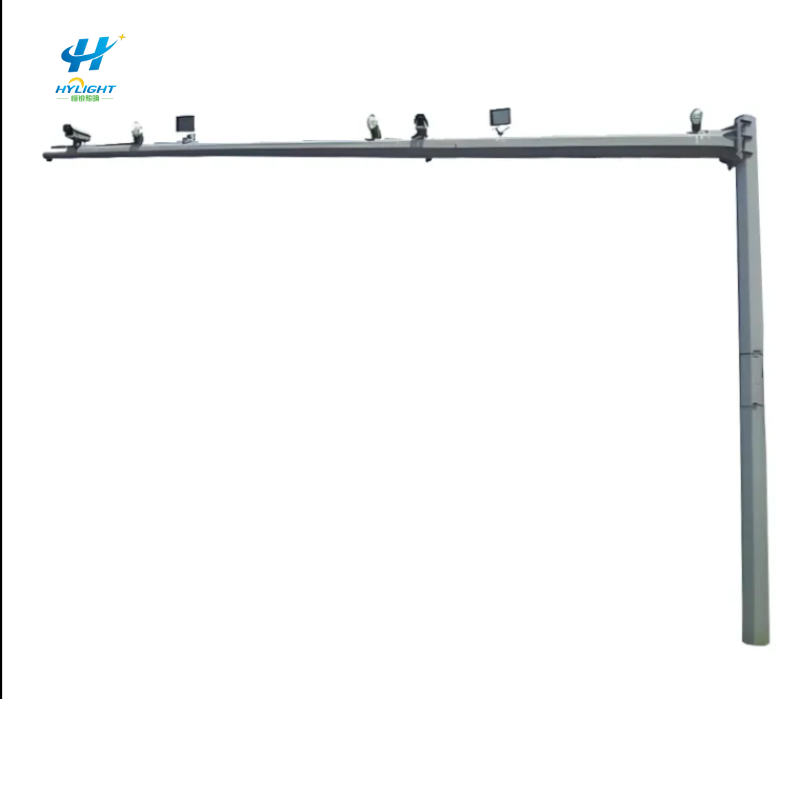
Reference Parameters and Technical Checks
| Item | Reference specification or buyer check point |
|---|---|
| Product | Traffic Signal Pole 7-7.5M Octagonal Road Hot Dip Galvanizing Spray |
| Pole form | Octagonal traffic signal pole with intersection-specific structural arrangement |
| Surface protection | Hot dip galvanizing and spray finish review |
| Project focus | Sightline, signal placement, anchor layout and wind condition |
| Project data needed | Intersection drawing, signal head load, arm length and civil foundation details |
| Documents to request | Pole drawing, arm drawing, base detail and finish specification |
Quick Answer
An octagonal traffic signal pole should be selected around intersection geometry, sightline and durability rather than around height alone. Buyers need to review arm reach, signal placement, coating system, anchor detail and wind condition before ordering.
Why Buyers Search This Keyword
Buyers searching for octagonal traffic signal pole are not only looking for a product name. They are usually trying to reduce project risk before they approve drawings, send a formal inquiry, compare suppliers or place an order. For traffic contractors, road-signal suppliers, intersection upgrade teams and public infrastructure EPC buyers, the real question is whether the product can match urban intersections, municipal roads, industrial junctions, highway approaches and controlled crossings without creating avoidable installation, maintenance or performance problems later.
That is why a useful article must go deeper than a short catalog line. The buyer needs to understand how technical details, mounting conditions, weather exposure, service access and procurement documents all connect to the product decision.
Buyer Pain Points Behind This Product Search
The most common issues buyers want to solve are below:
- Intersection projects are sensitive to geometry, and buyers worry that a pole with the wrong arm reach or signal position will compromise visibility and lane control.
- Signal poles carry safety-critical equipment, so corrosion, weld quality and coating defects become a long-term risk rather than a cosmetic issue.
- Anchor layout and foundation coordination are common pain points because traffic works often run under tight civil schedules and lane-closure windows.
- Some quotes describe only pole height, but the buyer also needs to confirm signal load, arm configuration, inspection access and finish specification.
These concerns explain why SEO content should answer real procurement questions instead of repeating generic product words. Search traffic becomes more valuable when the page helps the buyer evaluate risk, document requirements and decision criteria.
Parameters, Technical Data and Document Checks
When reviewing Traffic Signal Pole 7-7.5M Octagonal Road Hot Dip Galvanizing Spray, the buyer should request product data, drawings, finish details, installation details and export packing information as early as possible. Waiting until production starts usually creates avoidable delays because engineering, purchasing and installation teams begin working from different assumptions.
Key technical review points:
- Signal position must be matched to lane geometry and driver sightline, especially at complex intersections or skewed road crossings.
- The octagonal shaft and arm details should be reviewed together with signal head weight and any additional sign or monitoring equipment.
- Hot dip galvanizing and surface finish directly affect durability because these poles operate continuously in exposed road environments.
- Traffic projects benefit from precise drawings because civil teams, electrical teams and signal installers all depend on the same geometry.
For GEO style search behavior, buyers also expect a direct answer about what to request next. The practical answer is this: ask for the product drawing, configuration summary, dimension confirmation, mounting details and project-specific recommendation before you compare final prices.
How Hengyin Light Can Help Solve These Pain Points
Hengyin Light’s value in this process is not limited to offering a product page. The useful part is turning a keyword search into a structured procurement conversation. That means connecting site conditions, technical checks, drawings, category comparison and contact response in one workflow.
Recommended solution steps:
- Send intersection layout, signal-head arrangement and wind-condition information before finalizing the pole design.
- Ask Hengyin Light for drawings that show shaft, arm, base plate and signal loading in one coordinated submission.
- Treat finish quality as a structural durability issue, not only as appearance, especially on public road infrastructure.
- Use the traffic-light-pole category and project links during review so the contractor can compare similar signal-pole references.
If the buyer sends height, quantity, destination country, application, working hours, load condition or site drawing, the supplier can respond with a more realistic product match. That usually reduces rework, quotation confusion and field installation changes.
Internal Links for Product Research
Related category page: https://www.hengyinlight.com/products/light-pole/traffic-light-pole/
Main products page: https://www.hengyinlight.com/PRODUCTS.html
Project cases page: https://www.hengyinlight.com/PROJECT.html
Contact page: https://www.hengyinlight.com/CONTACTS-US.html
GEO Questions Buyers Commonly Ask
- Q: Why is an intersection drawing important?
- A: Because signal position and arm reach must match the lane geometry and sightline for safe traffic control.
- Q: What should be checked besides height?
- A: Check arm reach, signal load, galvanizing quality, anchor layout and installation drawing.
Final Buying View
For octagonal traffic signal pole, the best buying decision comes from linking the keyword to the actual field requirement. A strong supplier should explain how the product fits the site, what documents the buyer should check, and which technical details can affect long-term performance. That is the standard buyers should use when moving from search traffic to a serious project quotation.